
BTTR is independent. We may earn a commission if you buy through our links. Why trust us?
A good blender is more than just a one-trick appliance. It can make smoothies, cocktails or soups, sure. But it can also create sauces, blend nut butter and milks, and help create stunning cocktails when you entertain guests.
The best blenders do all of this effortlessly. There are compact, portable models and larger, stronger models, as well as multi-functional units that double as a food processor.
Do you need a benchtop blender? Or will a good stick blender be best for you? Do you need a blender for smoothies?
Regardless of whta you need, BTTR is here to help you find the right product. I've reviewed a handful of blenders the past few years, and these are my favourite models.
The best blender I've tested:
Ninja Stealth IQ Kitchen System
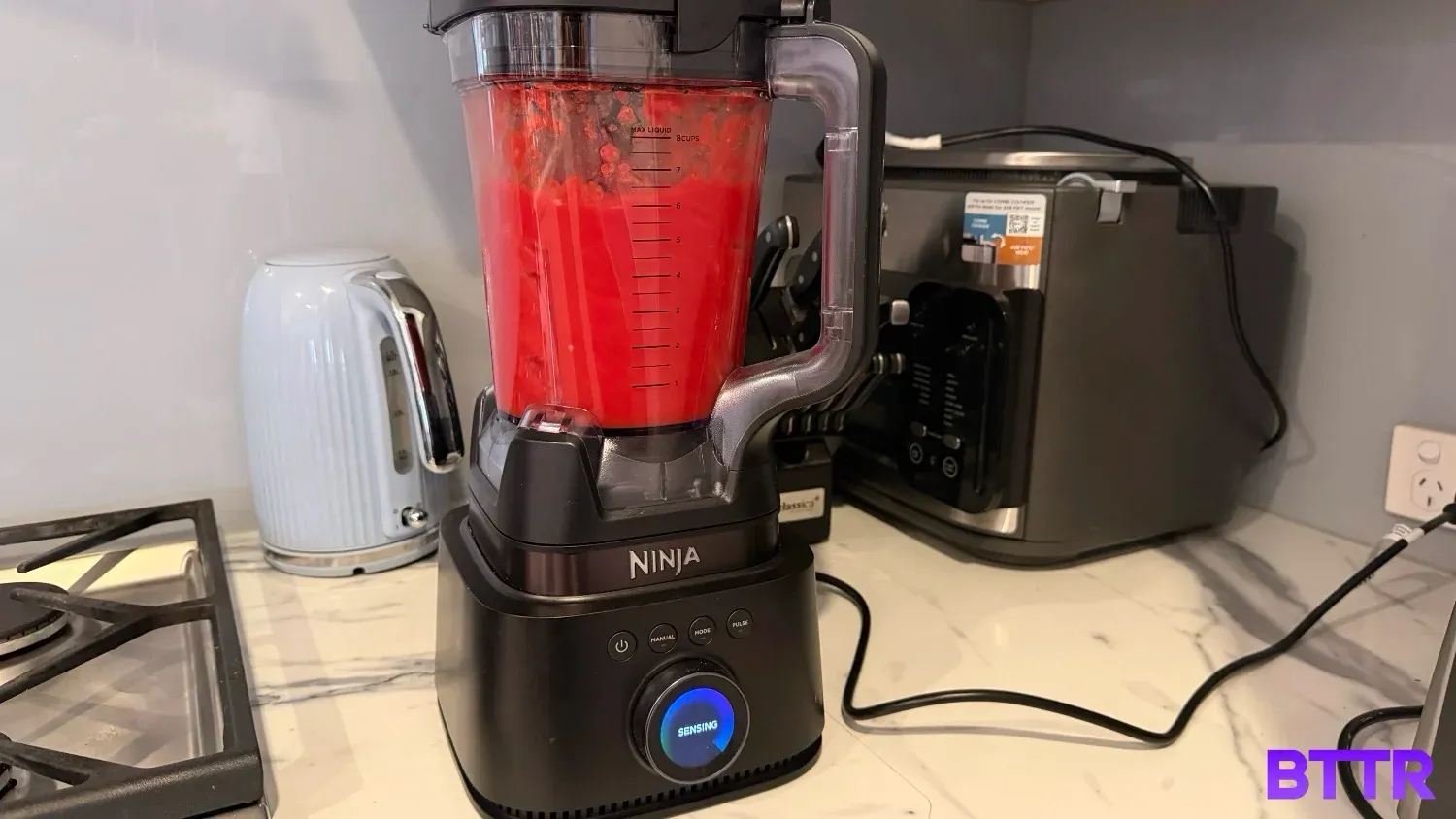
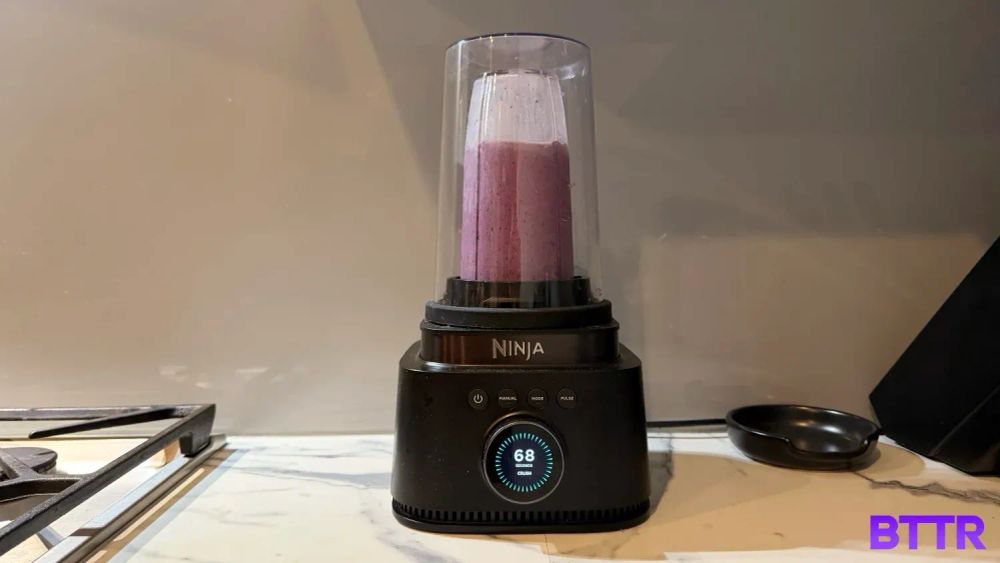
The Stealth IQ's promise is a blender you can use at any time without fear of waking the household. It has a cover that sits over the top of its smaller smoothie jugs that dampens the noise of the blender as it turns your ingredients into a delicious smoothie.
But the real strength of the Stealth IQ is its versatility. In the box you get three of the smoothie jugs, as well as a large 2.1L jug, and a food processor attachment that can chop, slice and grate your fruit and vegetables effortlessly. You can even mix together dough.
Ninja has made the system easy to use, thanks to its automatic "BlendSense" mode, which detects the ingredients and adjusts the speed and blend time accordingly, as well as a colourful display on the control dial, which lets you choose the mode you want to use.
The biggest downside is that the Stealth cover only works with the smoothie jugs, so it's full volume for the large blend jug and the food processor. But given how much it can do, this is a minor inconvenience at most.
 Nick Broughall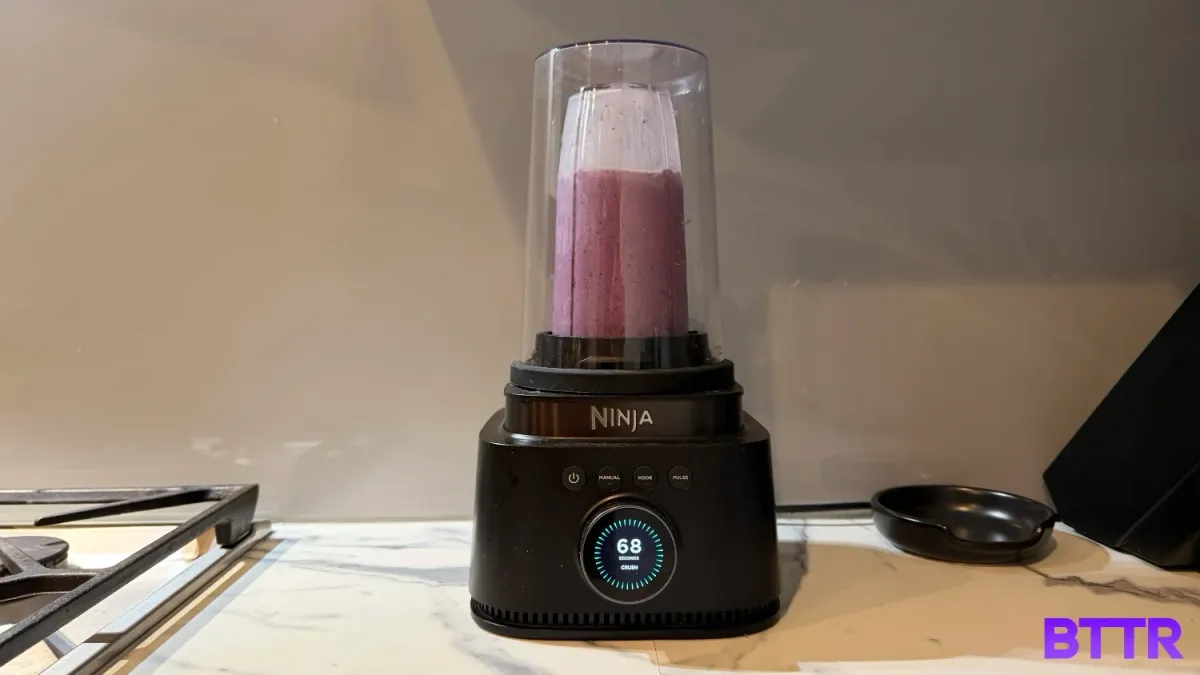
KitchenAid K400
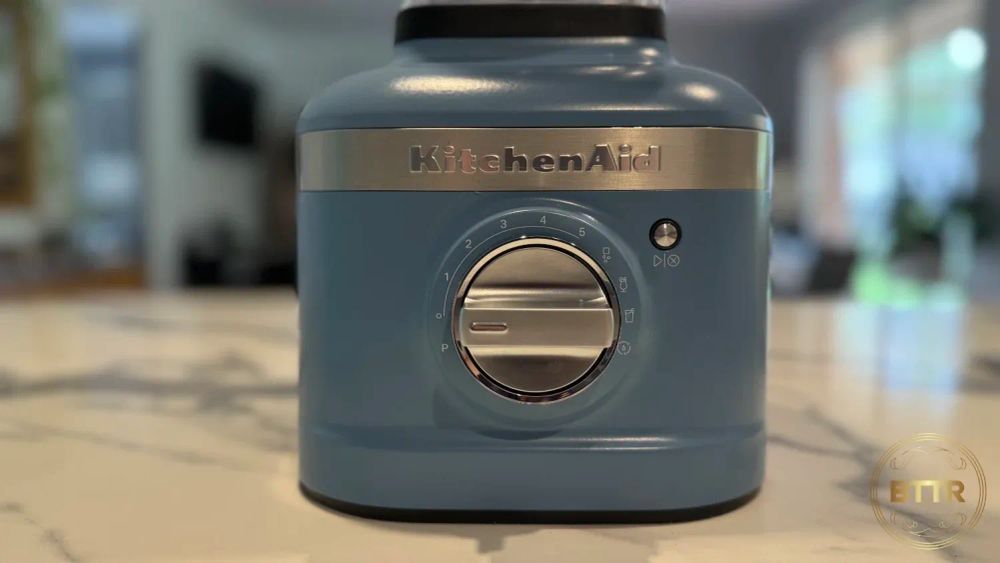
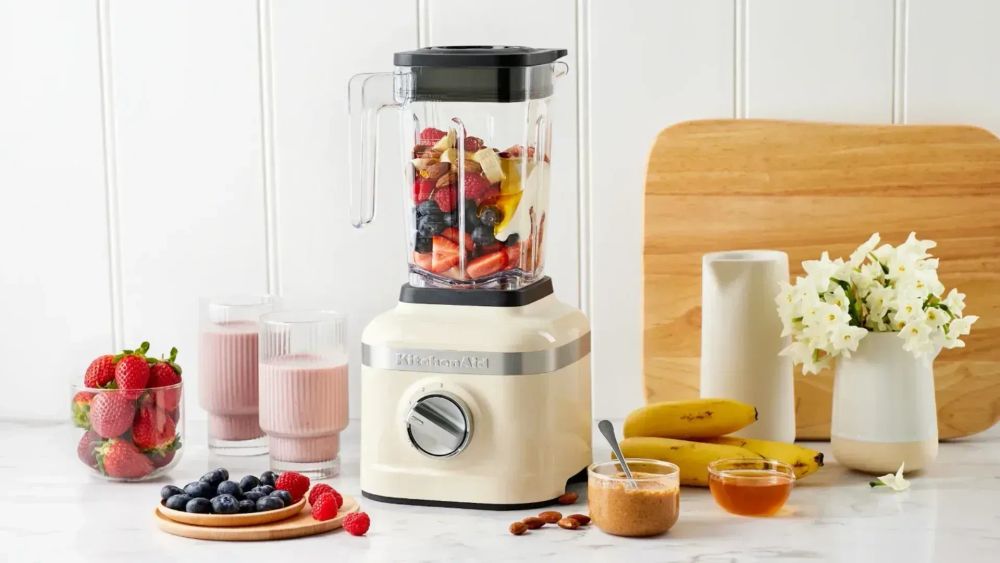
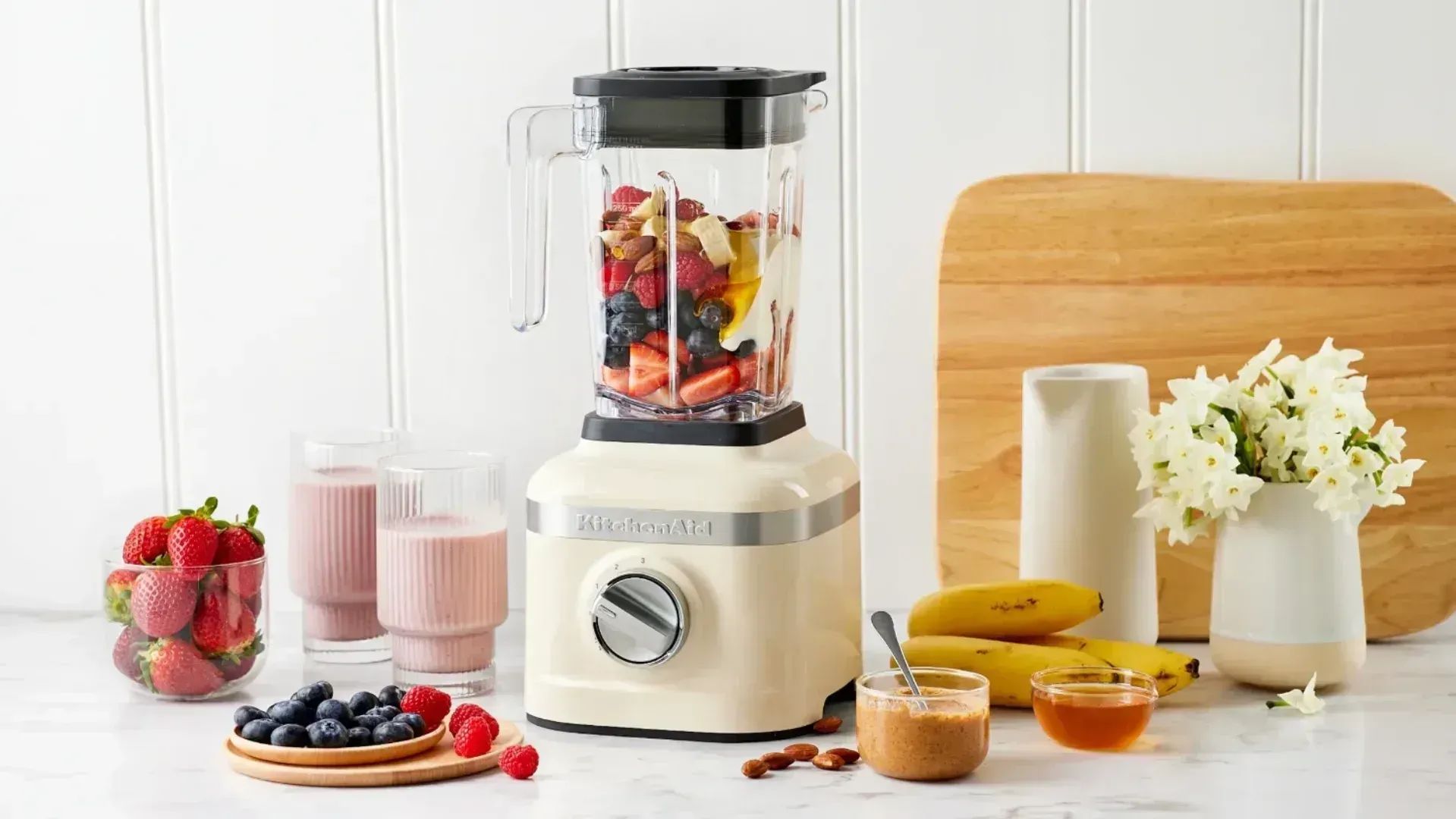
The KitchenAid K400 is designed for the toughest blending situations. It can blend items like carrots, chia seeds and kale from whole to smooth in just 20 seconds.
Featuring KitchenAid’s asymmetrical blade system and a ribbed jar design, the K400 creates a vortex to ensure everything gets blended thoroughly.
Five manual speed settings, plus dedicated programs for smoothies, icy drinks and crushing ice make this an extremely versatile blender.
The 1.7 litre jug is dishwasher safe, while the blender also features a dedicated cleaning mode to help clean the jar.
 Nick Broughall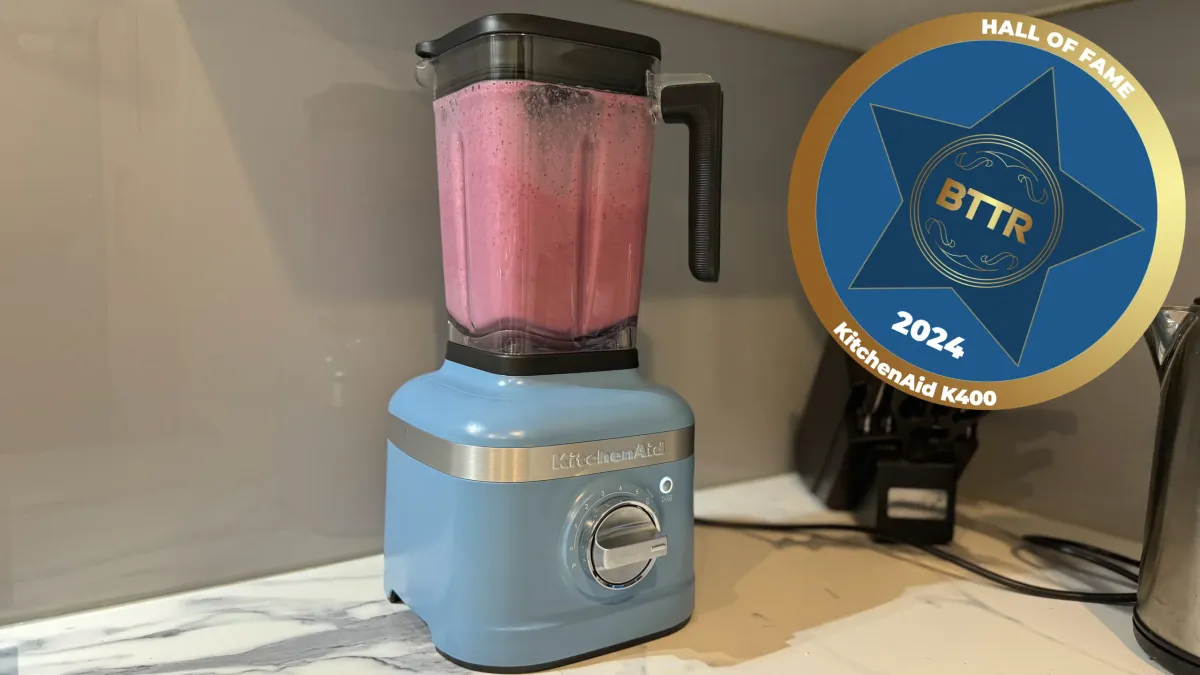
Ninja Blast
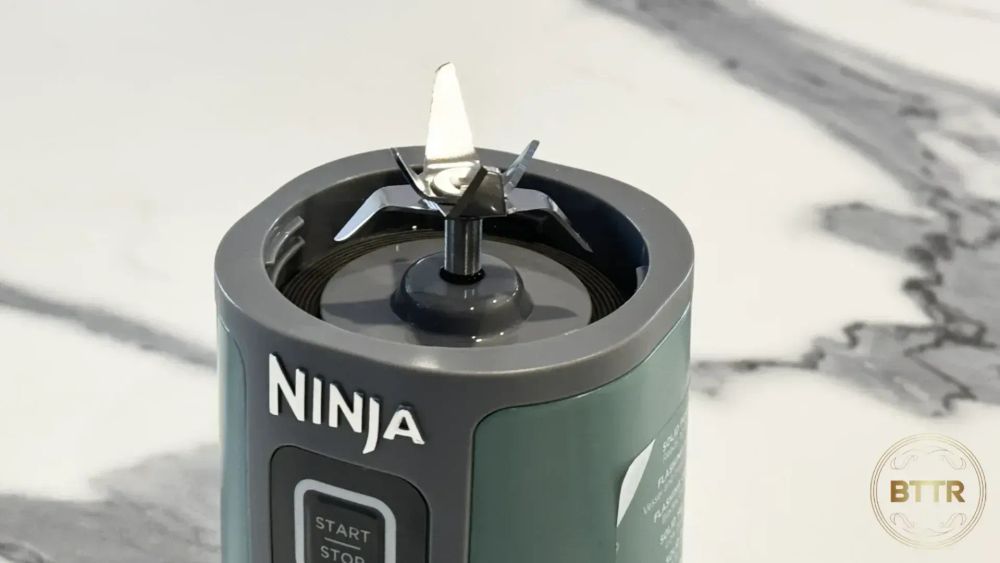
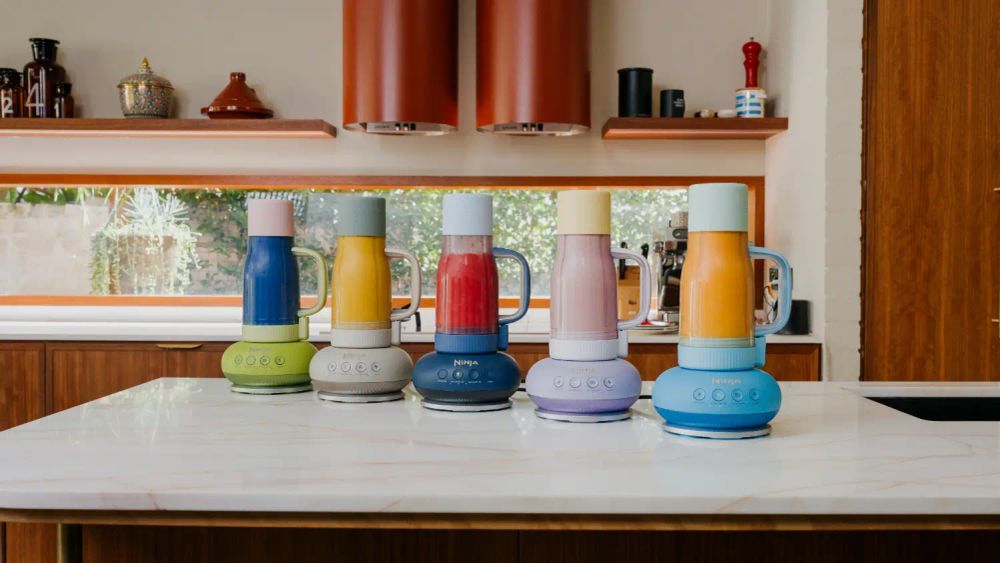
I was blown away by how well the Ninja Blast blends for such a small, compact device that runs on battery power.
Sure, it doesn't offer the same level of grinding as the much larger K400 from KitchenAid, but it's certainly no slouch.
It's ideal for a morning smoothie, or a protein shake for the gym thanks to its all-in-one design that allows you to drink straight from the blender.
It's easy to clean, simple to use and has enough battery for about a week's worth of blending (and cleaning). For the $80 RRP, it's a great value purchase.
 Nick Broughall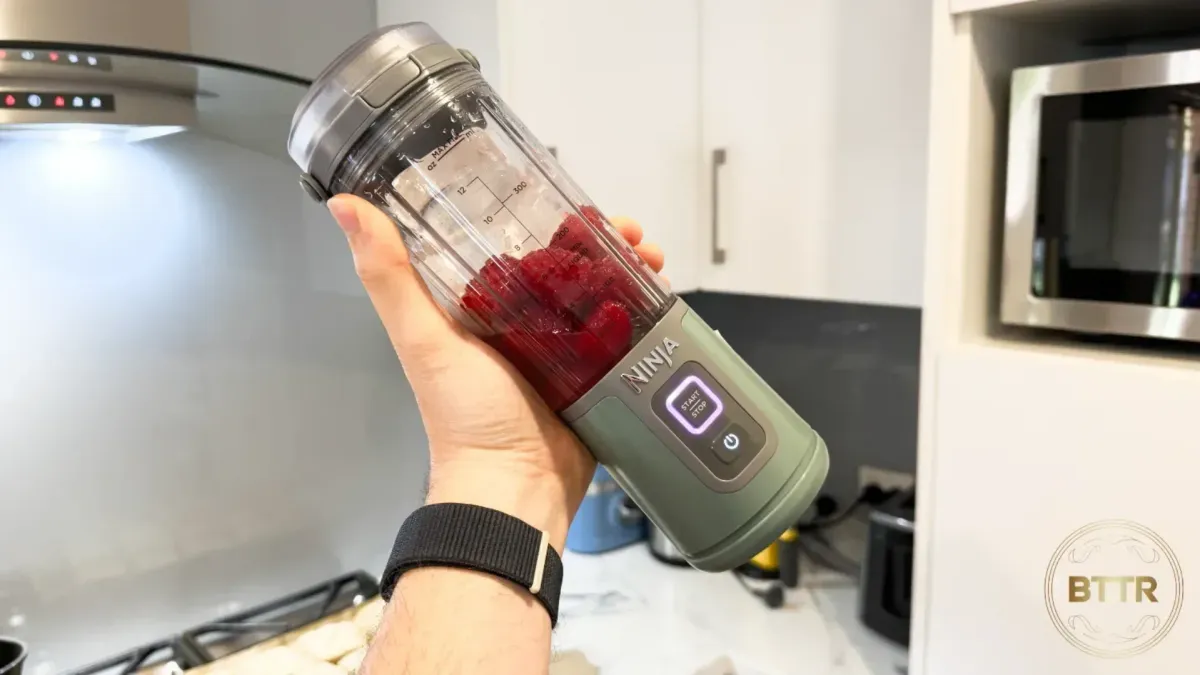
How we chose the best blender in Australia
I've reviewed hundreds of products over my career, and more than 200 since I launched BTTR. In that time I learned that review sites - including this one - are subjective by nature. Everybody has a different opinion of what is best.
So for this guide, I’ve recommended my top blender choices from the models I have tested.
As I continue to test more blenders, I’ll update this guide to ensure it is regularly up to date.
Blenders I've tested for this review
Guide to buying the best blender in Australia
Whether you want to buy one of the products featured above or something different, these are the things to look for when choosing the best blender in Australia.
Blender type
Blenders come in a few different styles.
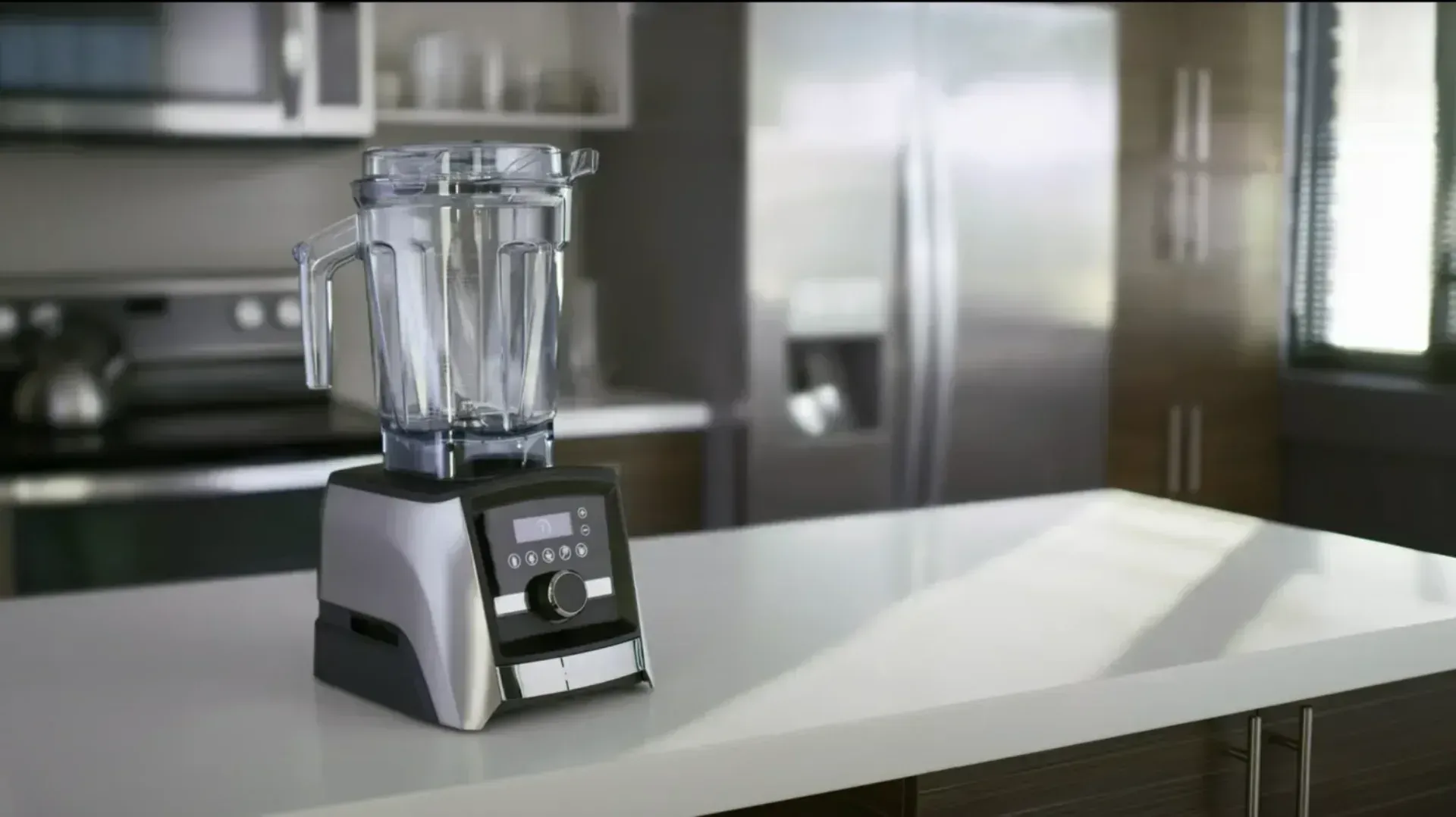
There’s the standard benchtop blender, which features a fairly narrow jug with blades at the bottom.
There are also stick blenders, which are also known as hand blenders or immersion blenders, which feature the blades at the end of a long stick, which can be inserted into a saucepan to blend its contents.
Personal blenders (sometimes called portable blenders) are smaller versions of a benchtop blender, and are typically designed for a single serve smoothie or shake.
Finally, super blenders are designed for more intensive blending tasks, like milling flour or grinding down spices.
Size and capacity
Most blenders (excluding stick blenders) will come with a jug to hold all the blended materials.
Check the size of the jug to make sure it’s big enough for your needs.
Also consider the material the jug is made from. Today, most jugs are made from plastic, though you can still find glass jugs.
Also check whether you can use your blender with multiple jug sizes. Some models will let you use different jugs for different purposes, which could be useful if you want to make different types of foods.
It’s also important to check the blender’s size. If you plan on storing it in a cupboard, it will need to fit. If you plan on leaving it on the bench, make sure it doesn’t take up too much space beforehand.
Ease of cleaning
Being able to make a smoothie for breakfast in the morning may be convenient, but not if you have to spend 3 times as long pulling the blender apart to wash it up by hand.
Many of the best blender models in Australia have a self-clean mode, which allows you to wash the blender with warm water and dishwashing liquid by using the blender itself.
Also look for dishwasher-safe components.
Speed settings and functions
Blenders typically come with a range of manual and preset speeds and functions. Ultimately, what you will need will depend on how you plan to use the blender. Look for models with at least low, high and pulse settings to ensure versatility.
Price
You can pick up a budget blender for under $100, but expect to pay upward of $1,500 for a top of the line model.
Blenders are an investment that should last for a number of years. Some brands even offer a 10 year manufacturer’s warranty.
Top blender deals