

BTTR is independent. We may earn a commission if you buy through our links. Why trust us?
Dual-SIM phones have always been exceptionally popular in Asia, but they haven’t had the same kind of demand in Australia.
Part of that is down to the Australian carriers not wanting you to use a rival network. But other factors like cost and availability definitely play a part.
That said, there’s a lot of appeal in having a single smart device that can be used as both your work phone and your personal device, without the need to carry around two separate phones.
Additionally, being able to connect to an International SIM card while travelling makes it easier to avoid excessive global roaming fees, while still keeping your phone and account active.
And with the rise of eSIM, or Embedded SIM, being able to operate your phone as a Dual-SIM device is much easier and common.
It can still be a challenge to identify the best dual-SIM phone for your needs, though.
These are the best Dual-SIM phone models in Australia right now:
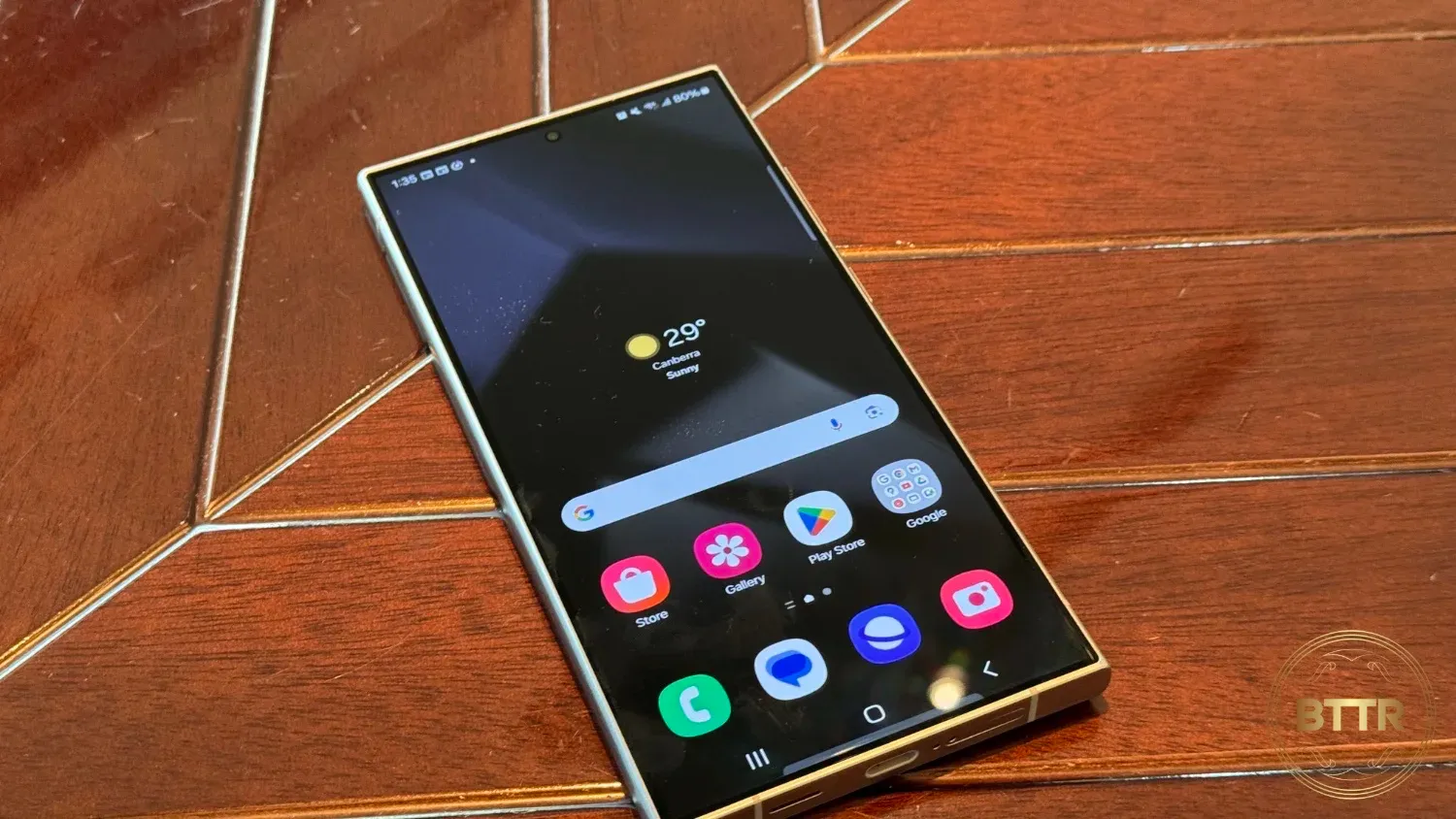
Samsung Galaxy S24 Ultra
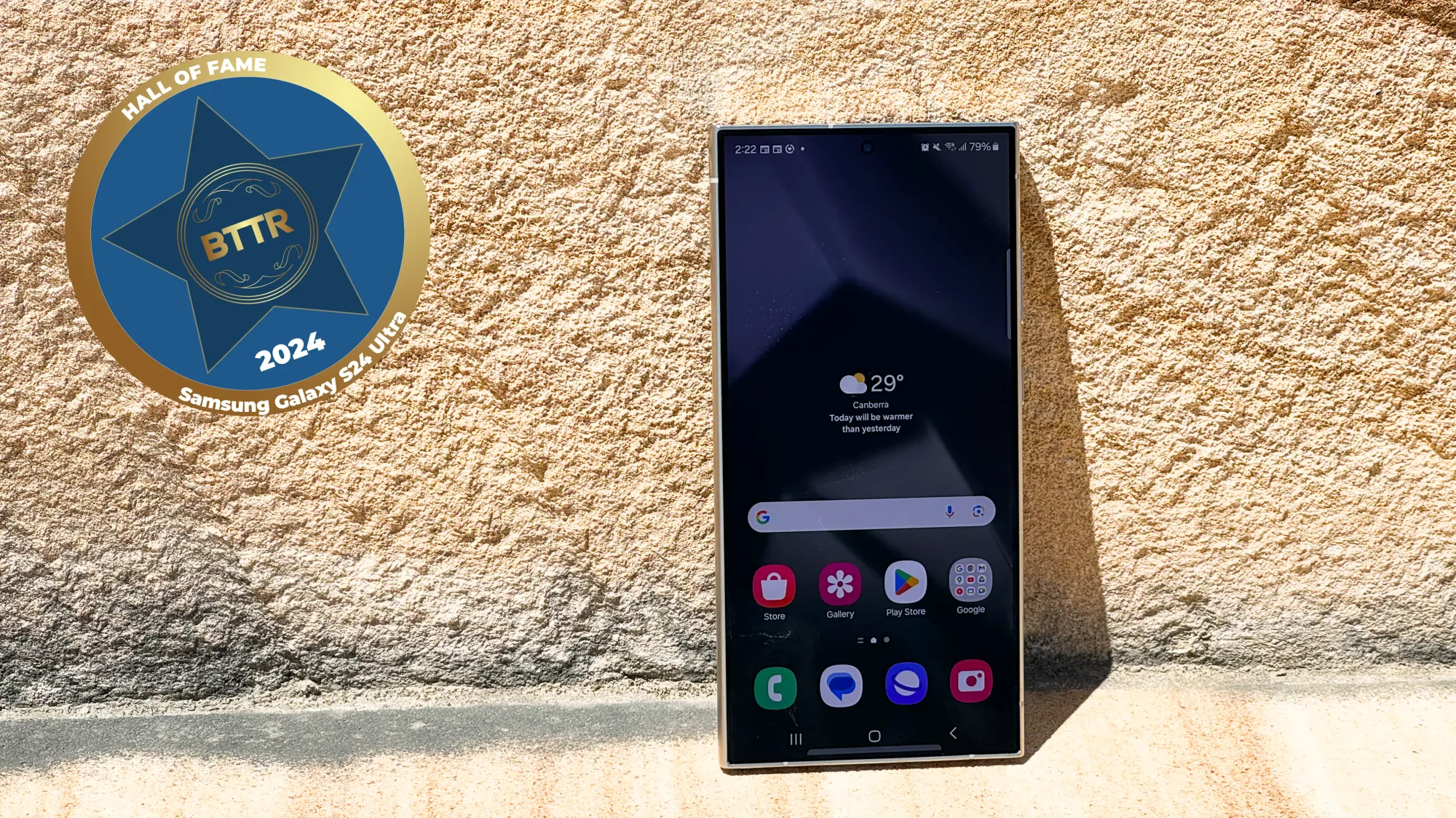
Samsung's 2024 flagship phone is not only the best phone you can buy in Australia right now, it also boasts dual SIM through a combination of Nano-SIM and eSIM.
As a premium phone, the S24 Ultra does come with a premium price tag. But it also offers exceptional performance, versatility through its bundled S-Pen stylus, and some of the best cameras in a smartphone.
If you can't justify the expense of the flagship Ultra model, Samsung has also included both Nano and eSIM connectivity in the S24 Plus and the S24 phones as well, giving you a similar experience at a lower price point.
 Nick Broughall
Apple iPhone 15 Pro
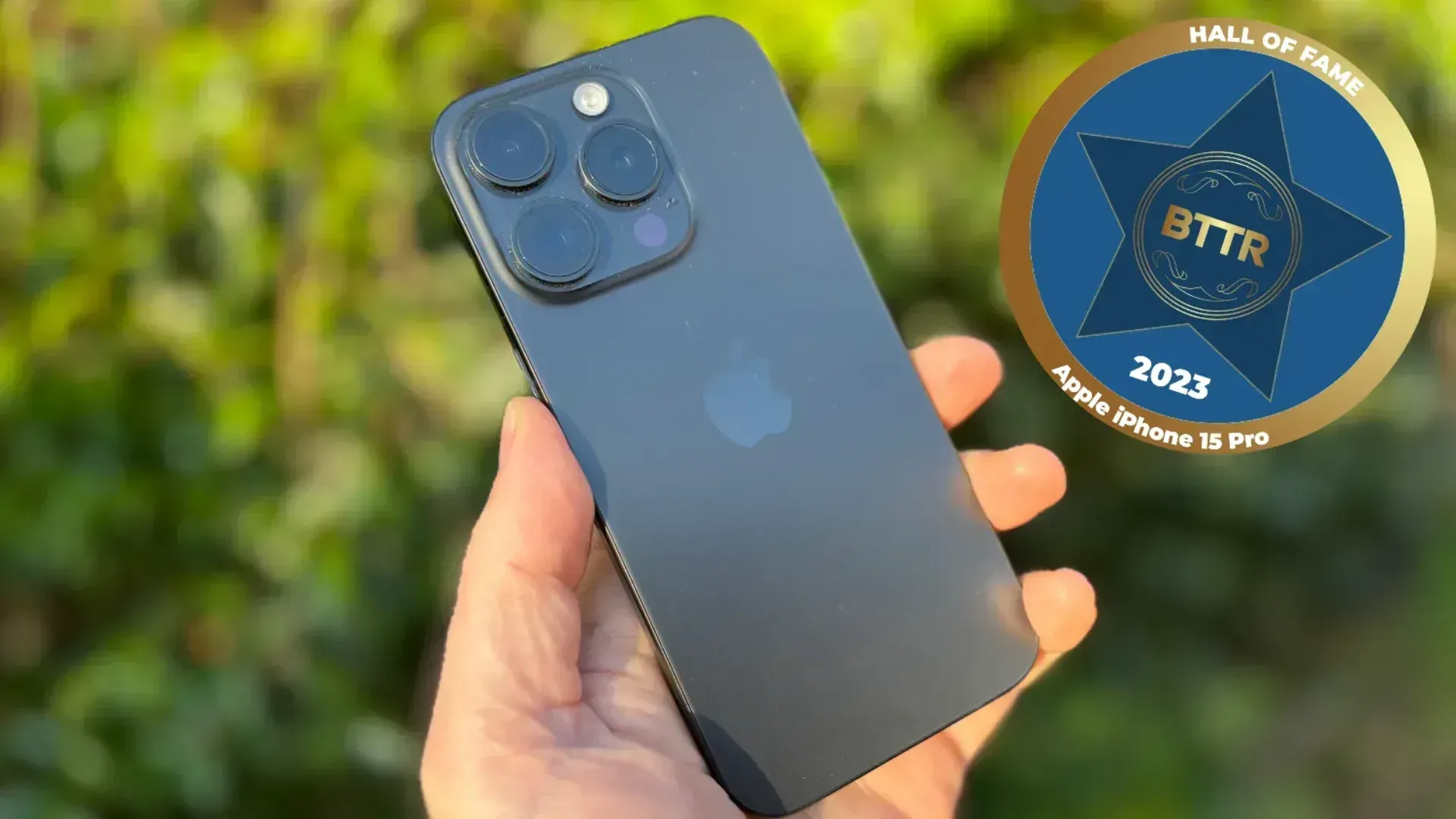
While the first generation of dual-SIM devices literally housed two SIM cards inside their body, today it's more common to use a physical SIM and an eSIM.
Apple has been at the forefront of integrating eSIM in its iPhone since the iPhone XS and XR in 2018, and in the US it removed the physical SIM slot from the iPhone 14 entirely.
In Australia, the iPhone 15 Pro offers both a Nano-SIM and eSIM support. Technically, you can store up to 20 eSIMs on the iPhone, though you can only have two active at any one time.
If the Pro version of the iPhone 15 is outside your budget, Apple's dual-SIM capabilities cross all of its iPhone 15 range, including the iPhone 15 Plus.
Nick Broughall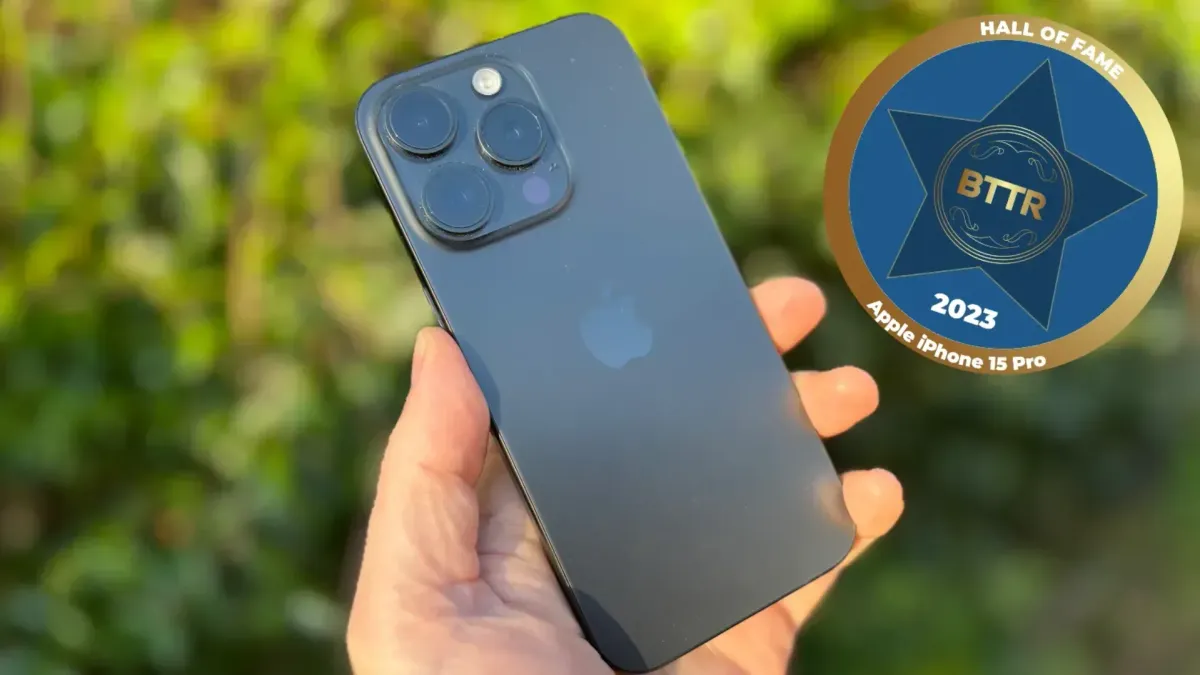
Motorola RAZR 50 Ultra
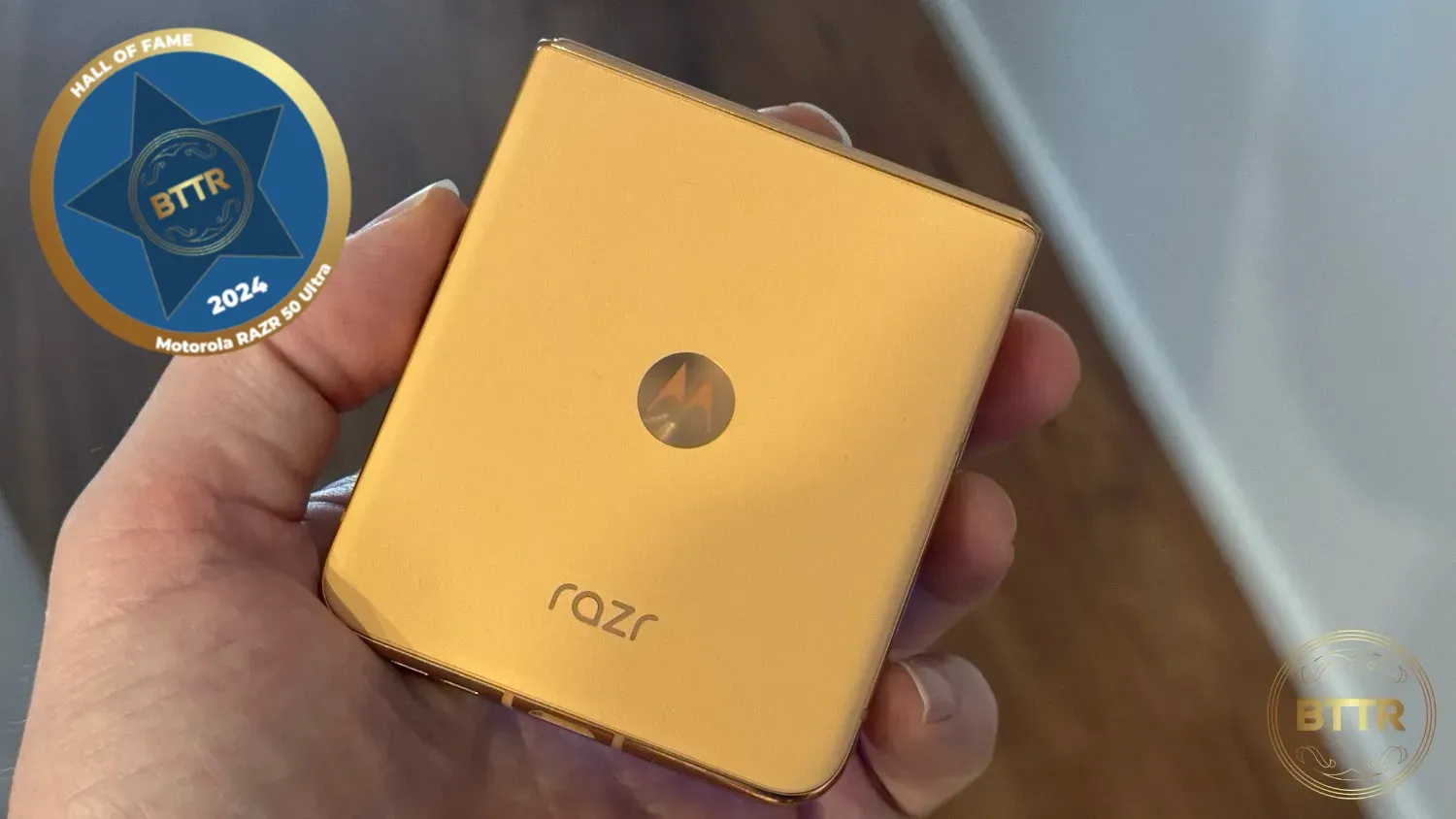
It's not just Samsung and Apple delivering the dual-SIM experience using both physical and eSIM cards. Motorola's flagship RAZR 50 Ultra also boasts the combo.
Given the RAZR 50 Ultra is one of the best folding options available, this makes it an ideal device for both work and personal use.
It offers a stunning external 4-inch screen which can display most Android apps, giving the phone more versatility than previous flip phone models.
It also has a pair of great camera lenses, which can be used for selfies using the device's folding design as a stand. This makes it ideal for travellers, who can use the eSIM slot for local SIM cards at international destinations.
Nick Broughall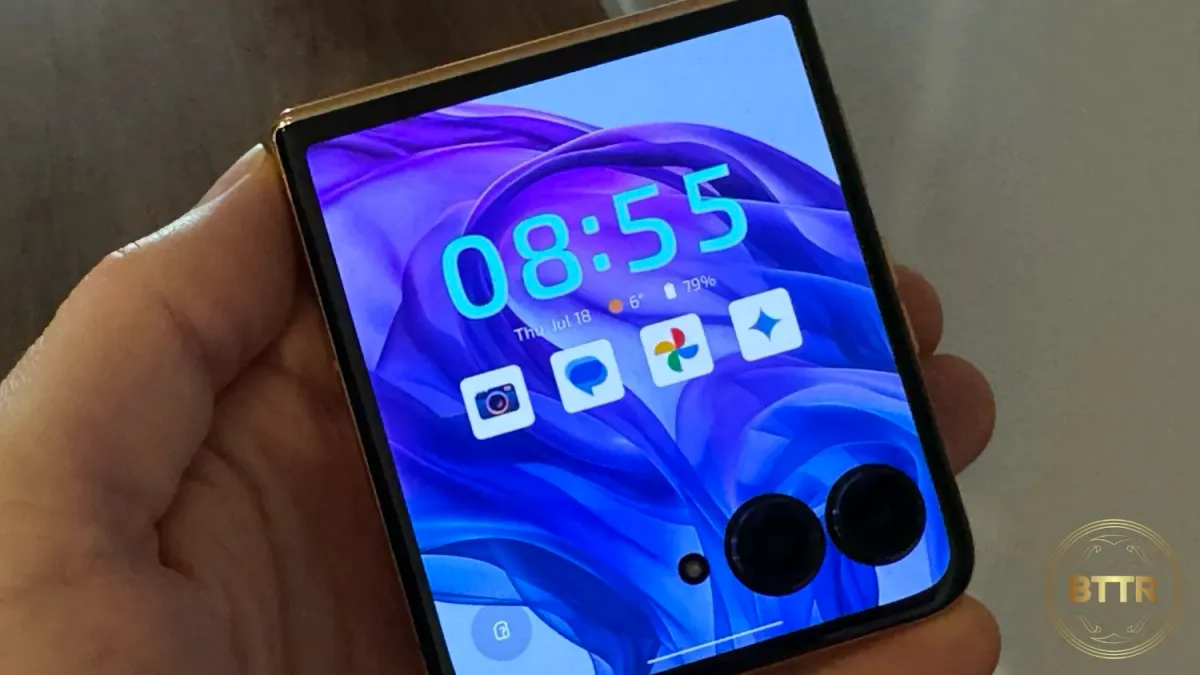
ASUS ROG Phone 8 Pro Edition
While most of the phone's in this list offer a dual-SIM capability through eSIM technology, ASUS has gone old-school.
The ROG Phone 8 Pro Edition incorporates two Nano-SIM slots inside its body.
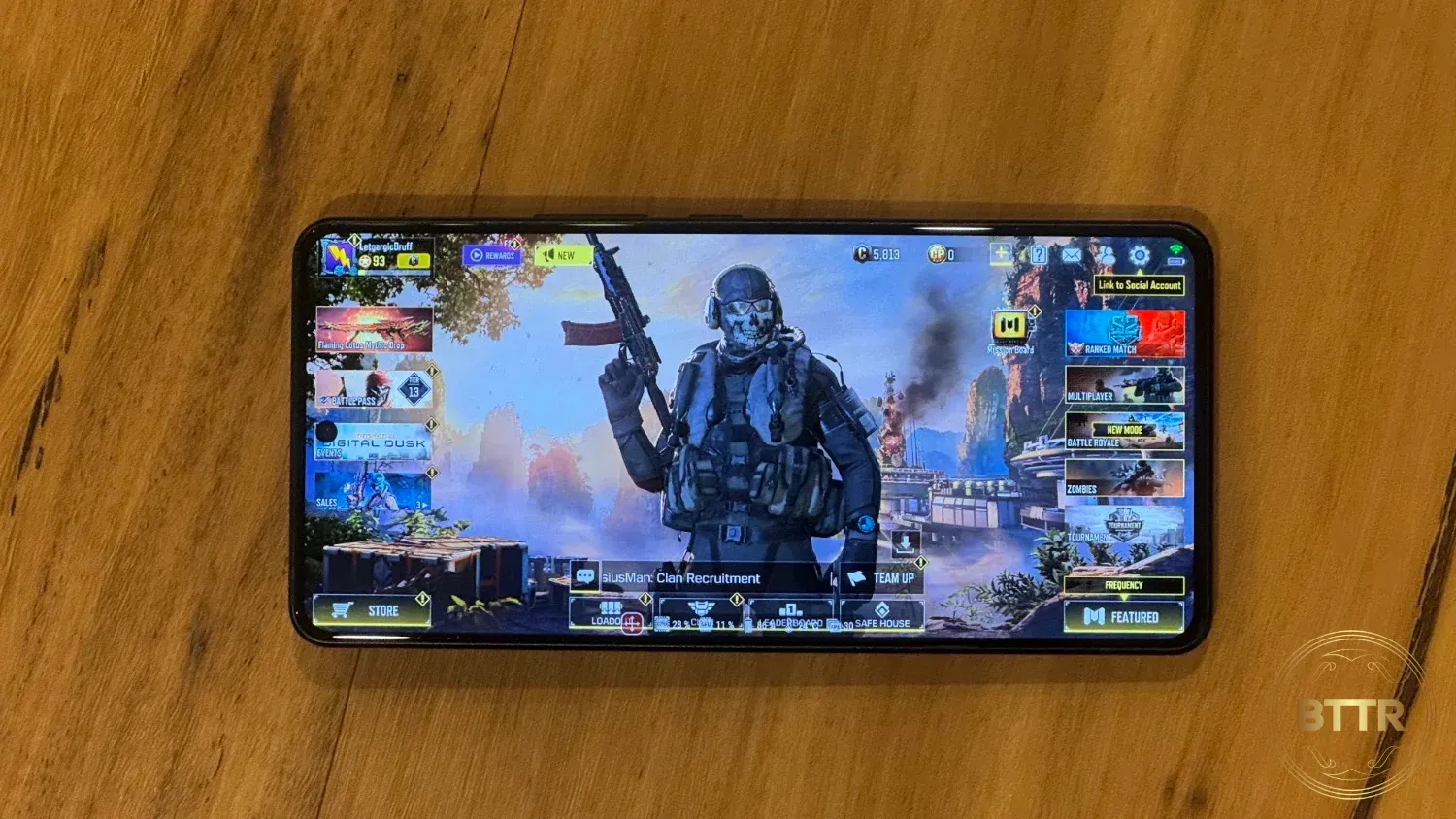
Both slots are 5G capable, so you can ensure you have the best possible mobile speeds at all time. This is particularly important for mobile online gaming sessions.
This phone is designed for mobile gaming, with capacitive shoulder buttons and a stunning screen.
Nick Broughall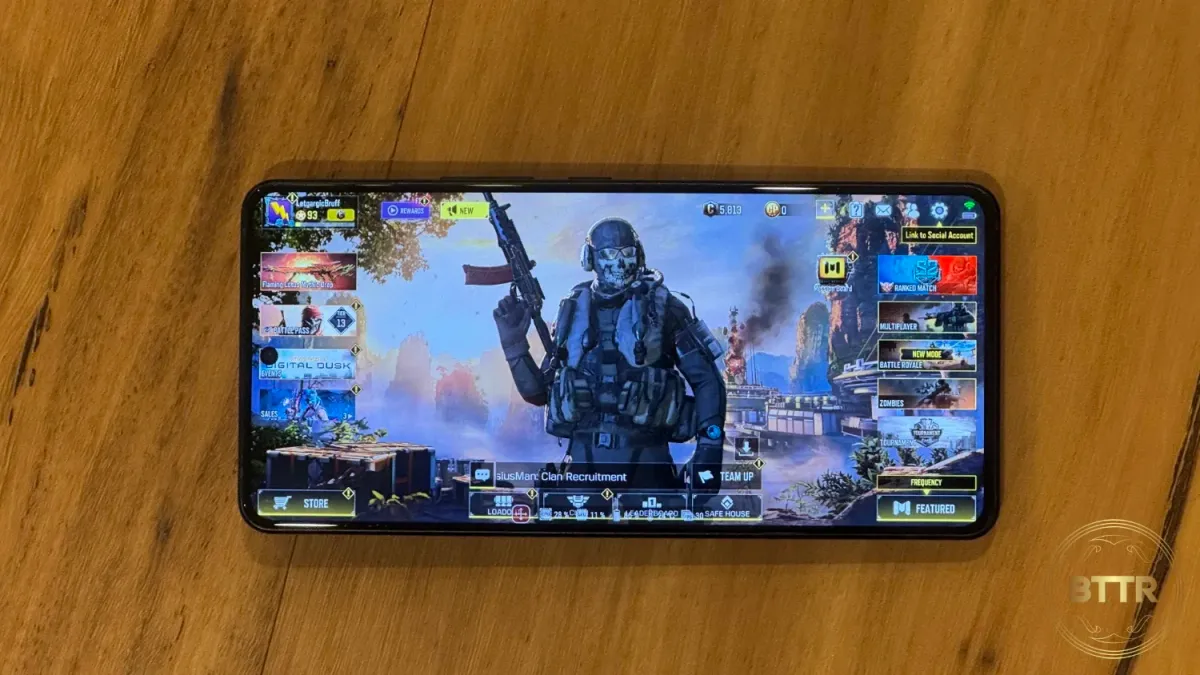
Google Pixel 8
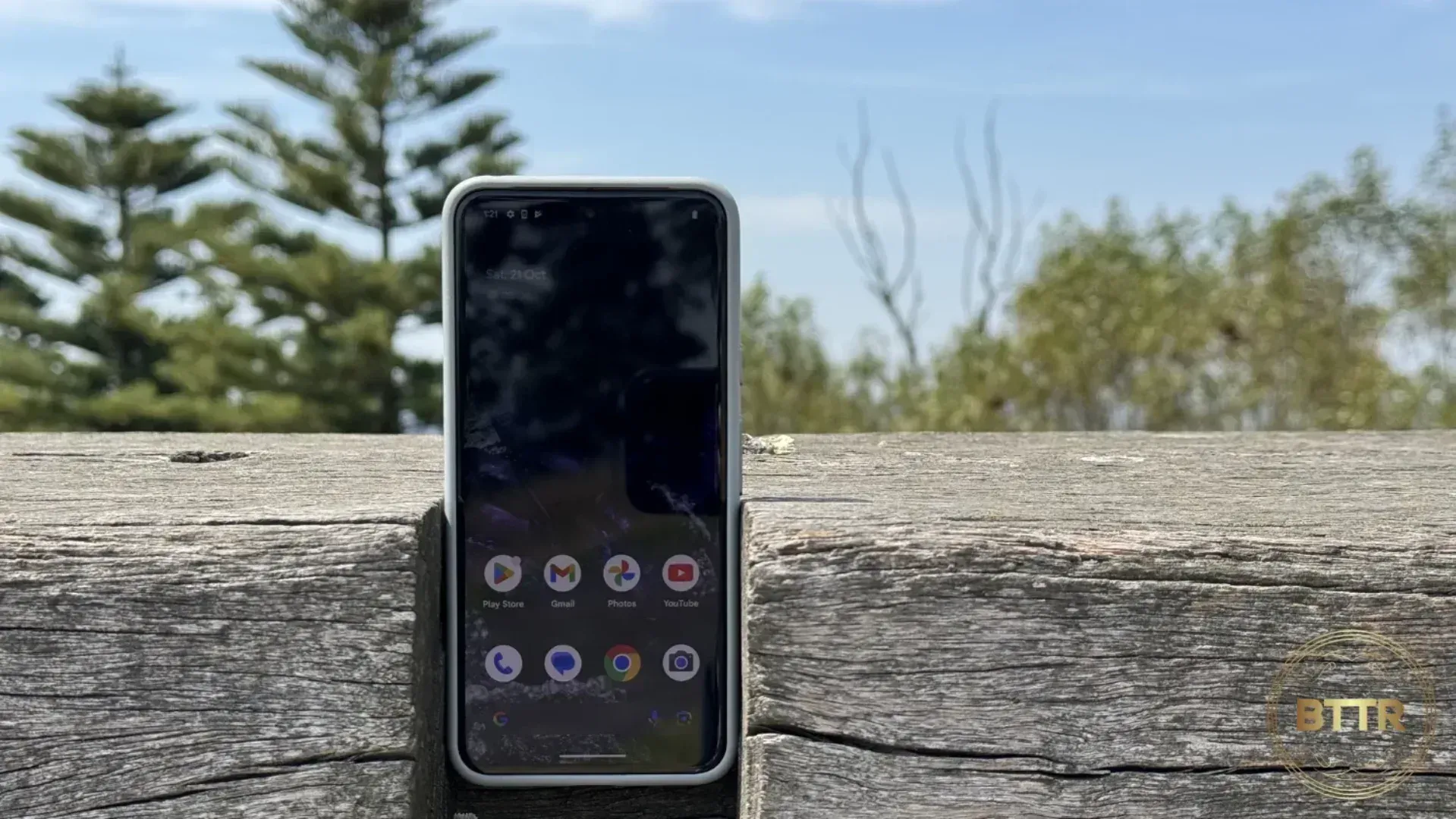
Like the devices from Apple, Samsung and Motorola, Google has made its Pixel 8 smartphone dual-sim compatible thanks to the inclusion of a Nano-SIM and an eSIM.
You also get a 6.2-inch 120Hz OLED screen, smart Google integration and some impressive camera performance, even excluding the AI functioanlity Google has rolled out.
With seven years of core software updates, this phone is an investment for the future, supporting not just a work/home balance but also international travel.
Nick Broughall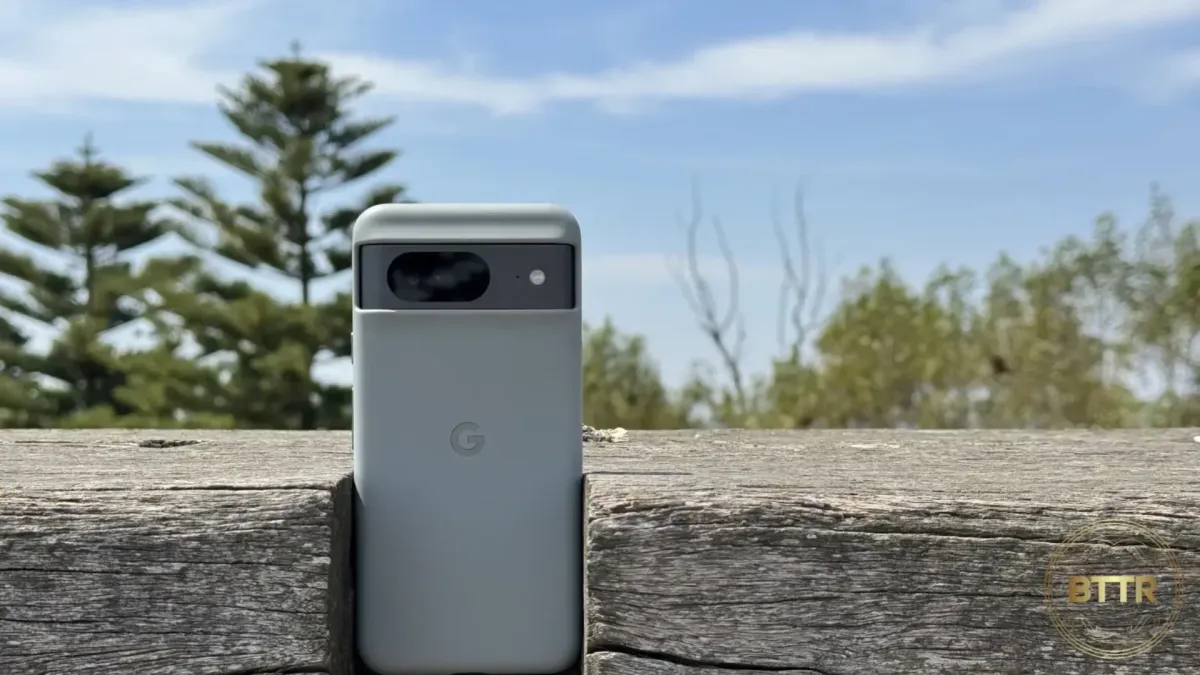
How we chose the best Dual-SIM phone in Australia
I've reviewed hundreds of phones over my career, and more than 30 since I launched BTTR. In that time I learned that review sites - including this one - are subjective by nature. Everybody has a different opinion of what is best.
So for this guide, I’ve recommended my top dual-SIM phone choices from the models I have tested.
Many of today's phones typically offer dual SIM functionality through eSIM compatibility, so this list looks similar to our list of the best phones in Australia. I have tried to focus on elements of why you would want a dual SIM device while choosing phones for this guide, however.
As I continue to test more dual-SIM smartphones, I’ll update this guide to ensure it is regularly up to date.
What to look for when choosing the best Dual-SIM phone in Australia
Whether you’re after one of the models listed above or something completely different, the decision factors you need to consider when buying a new dual-SIM phone is the same.
Network compatibility
The days where certain phones would only work on certain mobile networks are mostly behind us, but it always pays to check.
More specifically, it’s worth checking that the phone you buy, particularly when you buy online, will support the frequency bands used by the Australian operators.
If you’re buying a phone from a big brand like Apple or Samsung, you’re probably going to be okay. But smaller brands or international phones may not support the right bands, so it pays to check.
SIM card
It’s extremely unlikely that any new dual-SIM phone would feature anything other than a nano-SIM card in 2023.
What’s more important to check is that both SIM card slots support 4G and 5G networks. You may find some 5G phone models offer 5G connectivity for the primary SIM, but the secondary SIM only supports 4G.
Battery life
Dual-SIM phones are going to use up more battery power than single-SIM models (or dual-SIM phones only operating a single SIM).
This makes sense – the phone will be powering the phone to be constantly connected to two different networks all the time, which puts additional load on the battery.
WIth this in mind, look for a model with a big battery so you can get through the day. Something with at least 3,500mAh should be worthwhile.
User interface
It’s a challenge to check this before you buy a phone, but it’s important for dual-SIM phones that it is easy to control the two SIMs.
The last thing you want is to end up making personal calls on your work phone then having to answer questions from your boss.
Also look for the ability to set default SIMs for calls, messaging and data.
Storage
Be mindful that some dual-SIM models offer a hybrid SIM slot for the second SIM. This is a slot that can be used either as a SIM slot, or as a MicroSD card slot for extra storage – but not both.
If you are banking on using MicroSD for extra storage and need dual SIMs, these devices aren’t going to meet your needs.
Price
As with any decision, make sure you consider the price of the device. Dual-SIM devices aren’t necessarily more expensive than single-SIM models, but the best dual-SIM phones are still pricey investments.
Latest mobile phone deals


